

Water is an essential component in many industrial processes, such as steam generation, cooling, and process water circuits. While water treatment technologies like filtration and reverse osmosis play an important role, chemical water treatment is indispensable for ensuring that installations operate efficiently, safely, and sustainably.
Without proper chemical treatment, issues such as corrosion, scaling, fouling, foam formation, and microbial growth can arise. These phenomena lead to reduced efficiency, higher operational costs, unplanned downtime, and even permanent damage to equipment.
Why chemical water treatment is essential
Industrial water systems often operate under harsh conditions, including high temperatures, pressure, and continuous circulation. These conditions accelerate chemical and biological processes that can be harmful to equipment.

Chemical water treatment helps prevent and control:
- Corrosion, which affects pipes, heat exchangers, and boilers
- Scaling, which reduces heat transfer and increases energy consumption
- Fouling, caused by the accumulation of contaminants and suspended solids
- Microbiological contamination, such as biofouling and bacterial growth
- Foaming, which can disrupt system operation
By managing these risks, the lifespan of equipment is extended, and reliable, efficient operation is ensured.
Applications of chemical water treatment
Each installation requires a specific chemical approach, tailored to the application and water quality.
Chemicals for steam boilers
Chemical water treatment is essential for steam boilers to maintain efficiency and extend lifespan. Oxygen scavengers, pH-control additives, and dispersants protect pipes and heat exchangers from oxidation and deposition. The condensate network also requires attention; neutralizing or film-forming amines protect the system from acid corrosion and help maintain the quality of return condensate.
Chemicals for RO installations
Reverse osmosis (RO) membranes are sensitive to fouling and scaling. Chemicals such as anti-scalants and cleaners prevent mineral deposits (scaling) and biofouling, extending membrane life and maintaining optimal permeability.
Chemicals for cooling towers
Chemical water treatment is crucial for cooling towers to prevent corrosion, deposits, and biological contamination. Biocides, dispersants, and corrosion inhibitors are commonly used. Proper microbiological control is also necessary to limit the growth of bacteria like Legionella, ensuring the safety of the installation and its surroundings.
Chemicals for wastewater treatment installations
Chemical treatment helps clean wastewater effectively and safely return it to the environment. Coagulants and flocculants aggregate small suspended particles into larger flocs that can be easily removed. pH controllers and disinfectants also ensure that water quality consistently meets discharge standards.
Protecting water treatment equipment against corrosion
Corrosion not only causes material damage, increasing maintenance costs and production losses, but also affects water quality and microbiological safety. Damaged pipes create rough surfaces where bacteria can adhere more easily, promoting biofilm formation (a slimy layer of microorganisms) and increasing the risk of bacteria such as Legionella.
Water disinfection
Water installations can be ideal environments for bacteria and other microorganisms. Targeted disinfection and the use of appropriate chemicals are essential to prevent microbiological risks and ensure the safety of installations.

Condenser passivation
Passivation is critical for new condensers. Without treatment, “white rust” can form, indicating that the protective zinc layer is dissolving.
Targeted passivation creates a stable zinc-phosphate layer on galvanized surfaces, improving corrosion resistance and significantly extending equipment lifespan. Existing condensers also require periodic monitoring to ensure optimal protection.
Innovation and monitoring in chemical water treatment
Efficient chemical water treatment requires continuous monitoring. Ekopak performs water analyses both on-site and in its laboratory, allowing precise control of water quality and optimal chemical dosing.
Digital monitoring tools and data analytics enable real-time adjustments. Our goal is to maximize efficiency and minimize our ecological footprint. Collaborations with universities and partners explore new technologies to reduce chemical use, resulting in more efficient chemical consumption, lower operational costs, and more sustainable operations.

Did you know that Ekopak has an in-house laboratory for comprehensive water analyses?
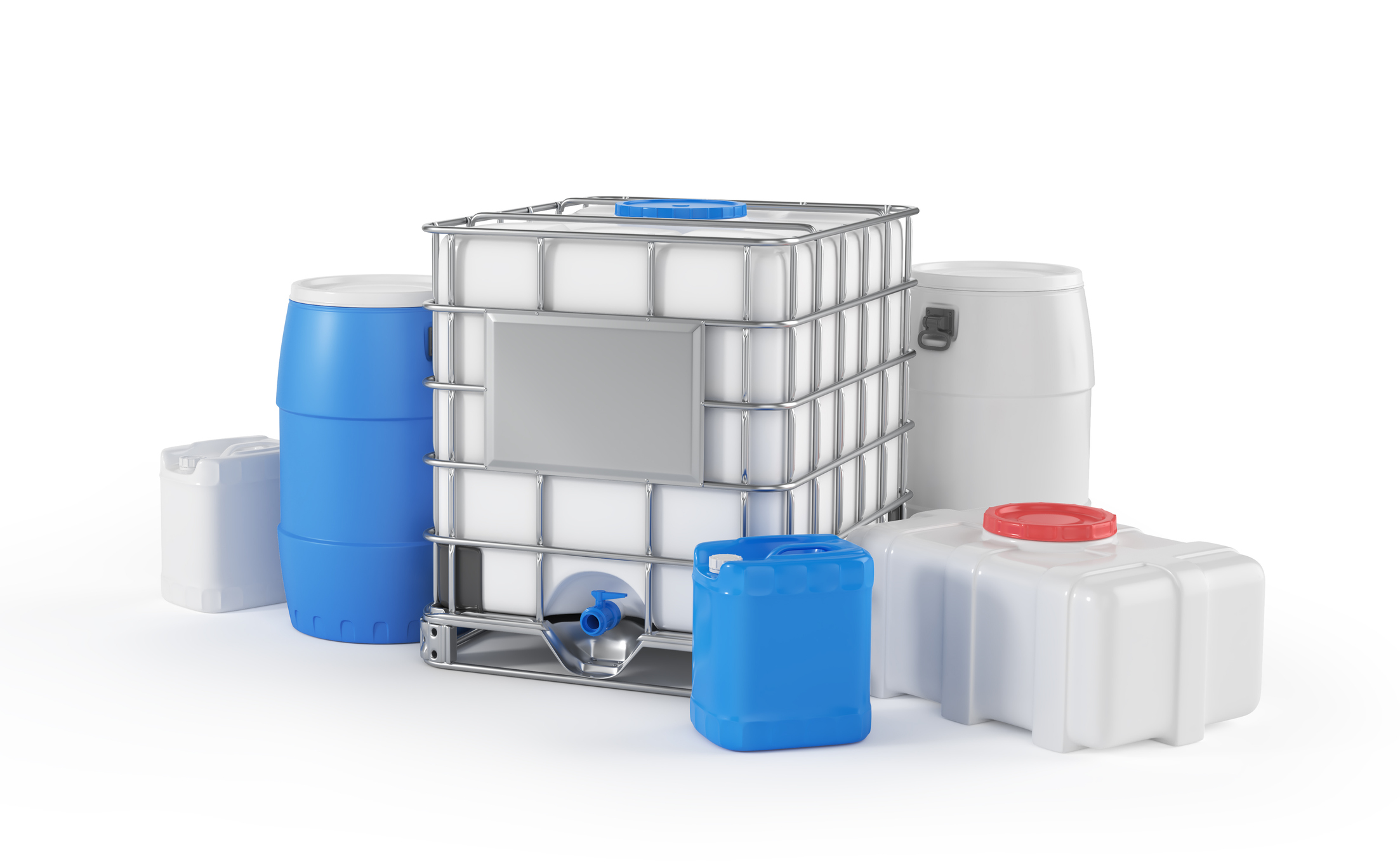
Tailored chemical solutions from Ekopak
Ekopak offers a wide range of chemical solutions, fully customized for your specific installation and application. We ensure optimal water quality that meets legal requirements while keeping operational costs to a minimum.
For more information about our chemical water treatment solutions or to request customized advice, contact us at sales@ekopakwater.com.